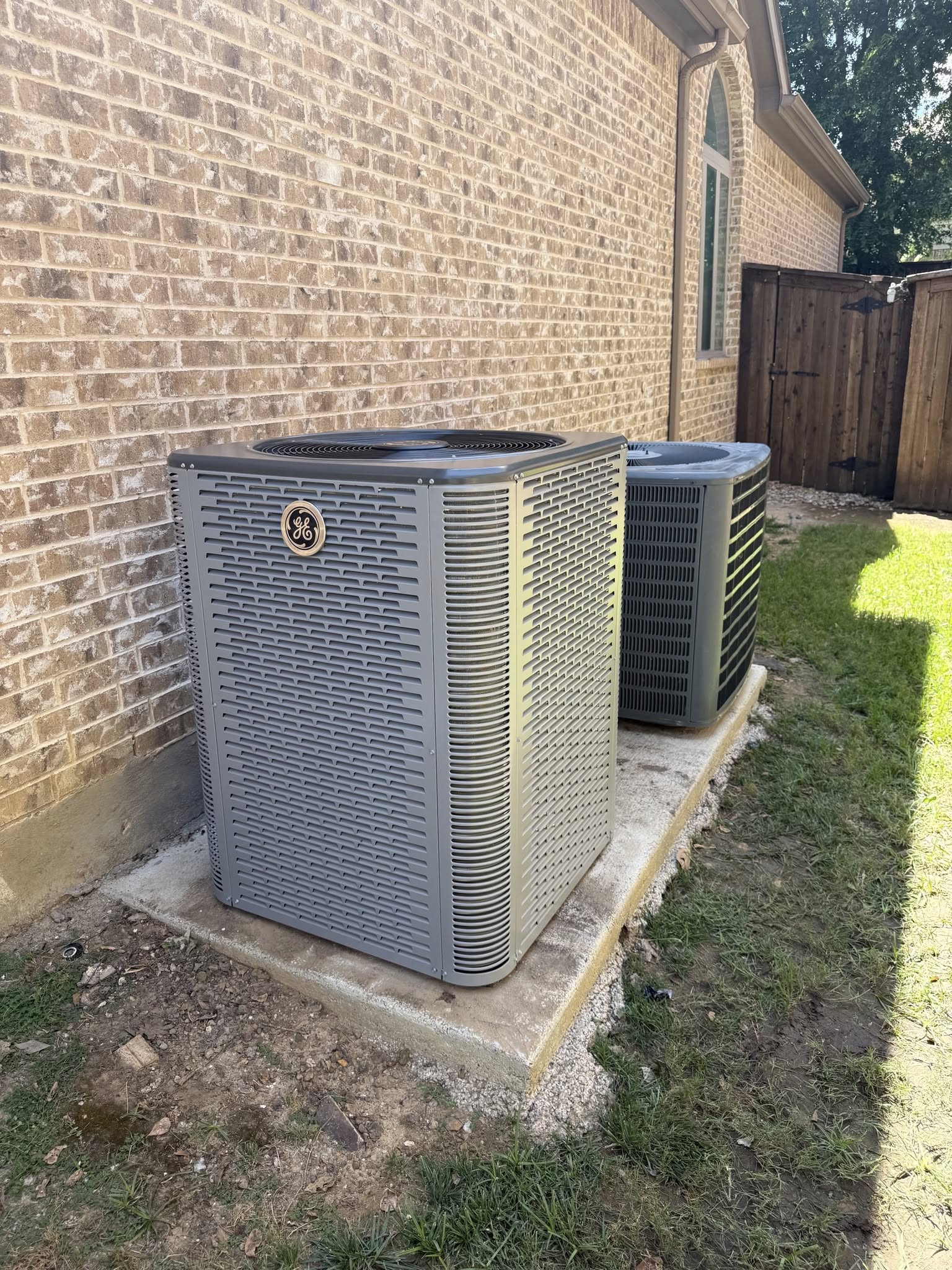
Innovative HVAC Technologies Enhancing Comfort and Sustainability May 16, 2026
In recent years, the demand for energy-efficient HVAC systems has surged. Homeowners and businesses alike are looking for ways to reduce their carbon footprint without sacrificing comfort. This has led to the rise of smart HVAC systems, which are revolutionizing the way heating and cooling units operate. These systems use sensors and Wi-Fi connectivity to optimize energy usage. Smart thermostats, for example, learn your schedule and adjust temperatures accordingly, ensuring comfort while minimizing energy consumption. By using less energy, smart systems contribute significantly to reduced utility bills and environmental impact.
Another promising innovation is the development of geothermal heat pumps. Unlike conventional HVAC systems that rely on burning fossil fuels, geothermal heat pumps harness the earth's constant underground temperature to heat and cool buildings. This renewable technology is incredibly efficient, offering users energy savings of up to 70% compared to traditional HVAC systems. It also boasts longevity and low maintenance, making it a wise investment for both residential and commercial properties.
The rise of variable refrigerant flow (VRF) systems also marks a significant advancement in HVAC technology. These systems offer superior temperature control and energy efficiency by allowing for individual air handling units in different areas of a building. VRF systems adjust the flow of refrigerant depending on each zone's needs, which not only enhances comfort but also minimizes energy consumption. This flexibility makes VRF systems ideal for mixed-use buildings and setups where different rooms have varying temperature requirements.
Air quality is another critical focus in the HVAC industry. With increased awareness of airborne pollutants and allergens, advanced filtration systems are now integral to HVAC units. High-Efficiency Particulate Air (HEPA) filters, UV light systems, and ionization technologies have seen widespread adoption. These technologies effectively remove harmful particles and pathogens, providing cleaner, healthier air indoors. As a bonus, improved air quality contributes to better overall health and well-being.
Sustainability in HVAC is not only about conserving energy but also managing refrigerants responsibly. Innovations like low-GWP (Global Warming Potential) refrigerants are gaining traction. These eco-friendly refrigerants reduce greenhouse gas emissions compared to their predecessors, thus playing a crucial role in reducing the HVAC industry's environmental impact.
As these technological advancements continue to develop, OTR Services: Heating, Air Conditioning, & Refrigeration is dedicated to keeping its customers informed and equipped with the best solutions. By adopting these innovative HVAC technologies, we can create more comfortable living and working environments while contributing to protecting our planet for future generations.
In conclusion, investing in modern HVAC systems is an essential step toward a sustainable future. As an industry leader, OTR Services is proud to support these advancements, offering clients the latest innovations in energy efficiency and air quality. By choosing sustainable HVAC options, customers not only enjoy enhanced comfort but also contribute to a healthier, more sustainable world. For those considering an upgrade or seeking more information, our team is always ready to help make the transition to more sustainable heating and cooling solutions seamless and beneficial.
/filters:no_upscale()/filters:format(webp)/media/a6de8f36-6c8f-4fd5-8982-f10fa8bb3297.jpeg)